
 Leo Ekhaguere
Canada’s Raw Materials Future: Uranium Expansion in Saskatchewan and Lithium Breakthrough in Alberta

Canada continues to strengthen its position as a global leader in mineral and energy raw materials, with two major developments highlighting the country’s growing importance in the global supply chain:
- New uranium mine approvals in Saskatchewan
- A potentially world-class lithium resource in Alberta
These developments reinforce the mission of the Canadian Centre for Raw Materials Display Inc. (CACERMDI)—connecting the world to raw materials and advancing understanding of their economic and strategic value.
Saskatchewan’s Uranium Sector Enters a New Era

4
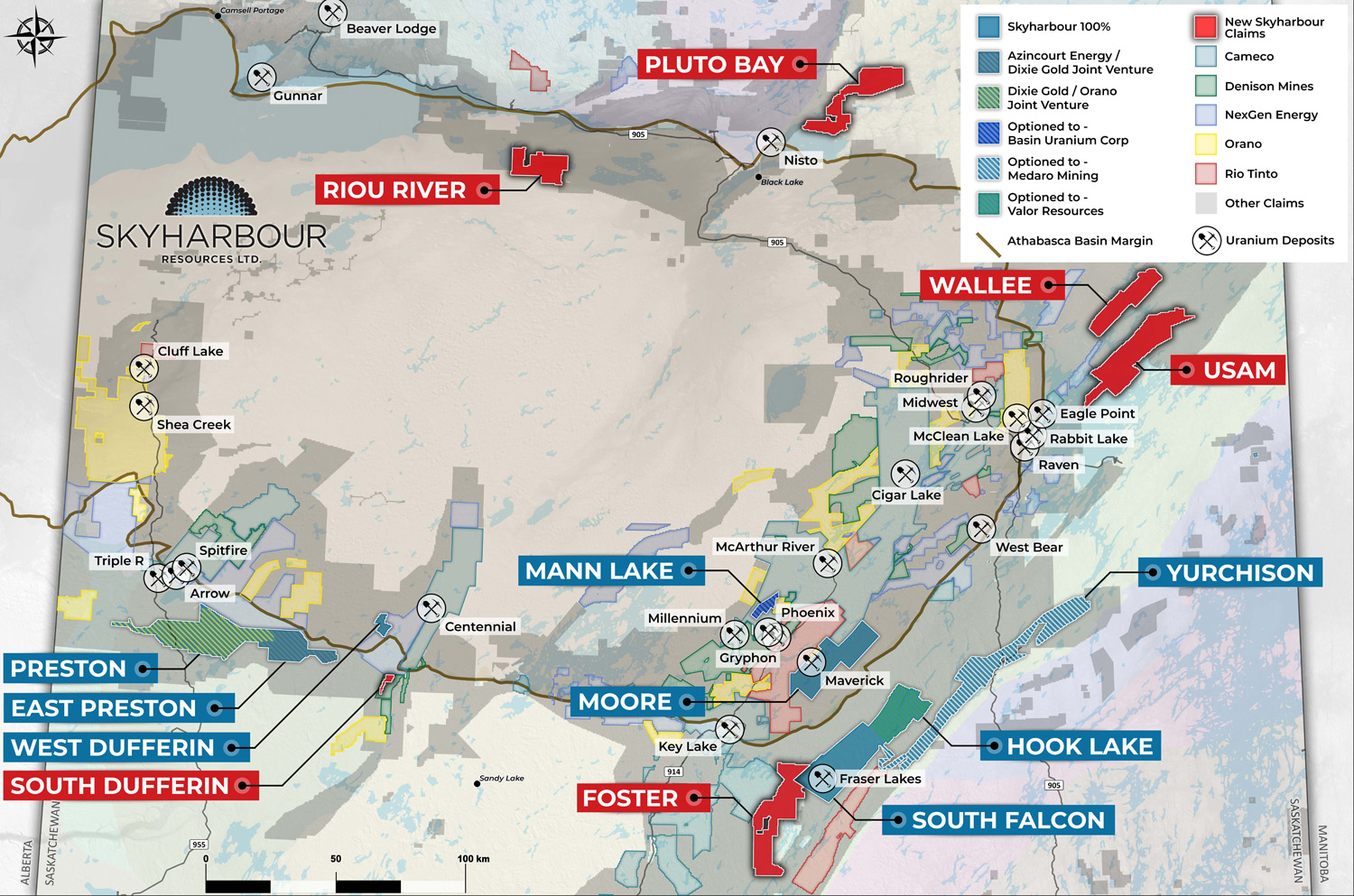
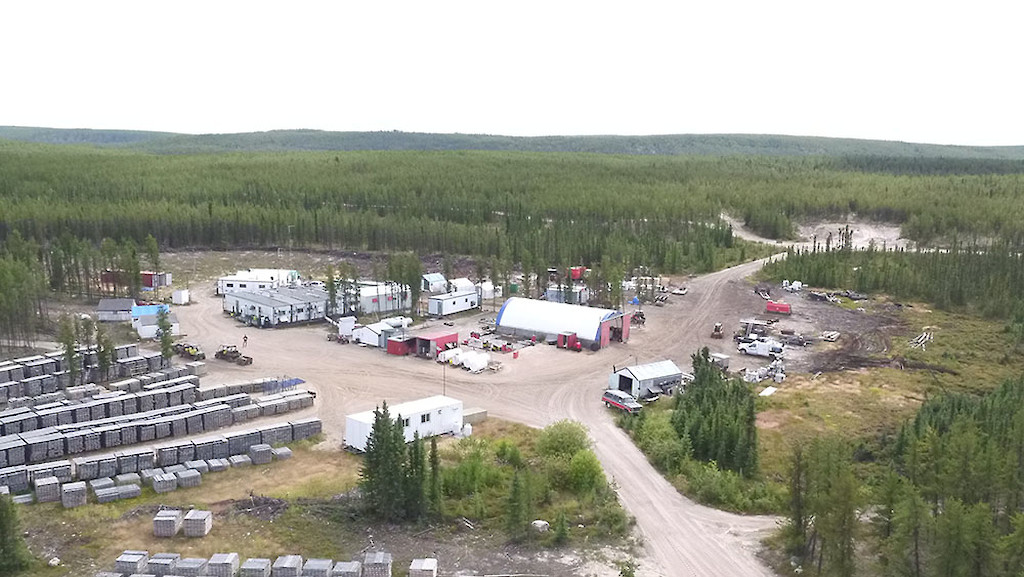
Saskatchewan, already recognized globally for its high-grade uranium reserves, is entering a transformative phase with the approval of two major uranium projects:
- Wheeler River Project (Denison Mines)
- Rook I Project (NexGen Energy)
These are the first uranium mines approved for construction in Canada since 2004, marking a significant milestone for the industry.
Economic and Strategic Impact
- Creation of jobs and economic opportunities, especially in northern communities
- Strengthening Canada’s role in global nuclear energy supply
- Supporting the transition to low-carbon energy systems, where uranium plays a key role
The projects are located in the Athabasca Basin, one of the world’s richest uranium regions, further solidifying Saskatchewan’s leadership in this critical mineral.
CACERMDI Insight
From a raw materials classification perspective:
- Uranium = Energy Raw Material (non-renewable)
- Its value lies not only in extraction but in its role in electricity generation, energy security, and climate strategy globally
Alberta’s Lithium Resource: A Trillion-Dollar Opportunity


4
In parallel, Alberta has emerged as a major contender in the global critical minerals race, following confirmation of a massive lithium resource.
Key Highlights
- Estimated 82.5 million tonnes of lithium carbonate equivalent
- Potential to generate over US$1 trillion in value over time
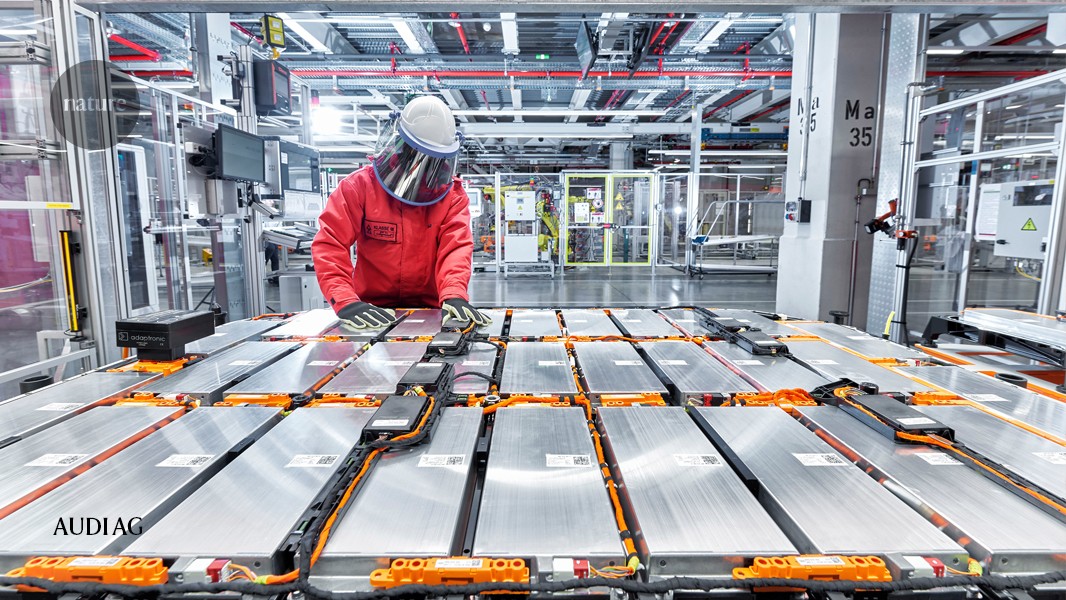
- Could supply lithium for billions of electric vehicle batteries
This positions Alberta as one of the largest lithium resource holders globally.
Innovation: Direct Lithium Extraction (DLE)
Unlike traditional mining, Alberta is advancing:
- Direct Lithium Extraction (DLE) from underground brines
- Use of existing oil and gas infrastructure
- Reduced environmental footprint compared to conventional methods
Market Relevance
Lithium is a cornerstone of:
- Electric vehicles (EVs)
- Battery storage systems
- Clean energy technologies
Demand is accelerating rapidly, with North America currently producing only a small fraction of global supply.
CACERMDI Insight
From CACERMDI’s framework:
- Lithium = Mineral Raw Material
- Its strategic importance lies in enabling the energy transition and advanced manufacturing globally
A Unified Perspective: Canada as a Raw Materials Powerhouse
These two developments illustrate a powerful narrative:
ProvinceResourceCategoryGlobal RoleSaskatchewanUraniumEnergy Raw MaterialNuclear energy & decarbonizationAlbertaLithiumMineral Raw MaterialBatteries, EVs, clean tech
Together, they demonstrate how Canada is:
- Expanding both traditional energy minerals (uranium) and future-facing critical minerals (lithium)
- Positioning itself as a reliable global supplier
- Driving innovation in sustainable extraction technologies
CACERMDI’s Global Message
At CACERMDI, these developments reinforce our core belief:
Raw materials are the foundation of global progress—linking nations through innovation, sustainability, and trade.
Canada’s uranium and lithium advancements are not just national milestones—they are global opportunities for:
- Investors
- Researchers
- Governments
- Manufacturers
Conclusion
The simultaneous rise of uranium in Saskatchewan and lithium in Alberta signals a new era for Canada’s raw materials sector—one that bridges:
- Energy security and sustainability
- Traditional mining and advanced technologies
- Local development and global impact
As CACERMDI continues to showcase raw materials globally, these stories stand as powerful examples of how natural resources drive economic growth, innovation, and international collaboration.